


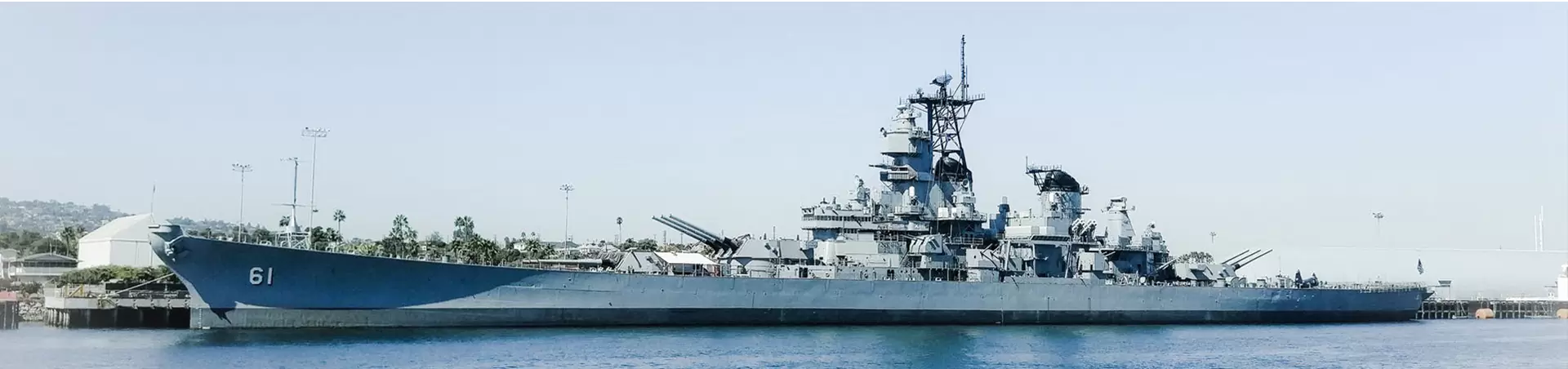
1. Define Core Detection Specifications
Select the detection range based on monitoring scenarios:
For coastal, port or island security, 4–20 nautical miles is suitable.
Prioritize small target detection capability to stably detect speedboats, fishing boats, kayaks and other small targets.
Confirm multi-target tracking capacity:
For busy sea areas, ≥200 simultaneous targets tracking is required to ensure stable and accurate trajectory tracking.
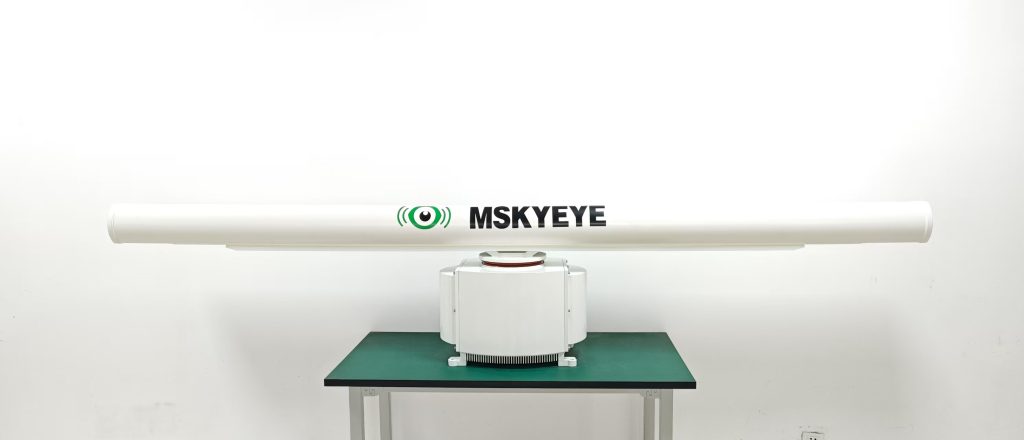
2. Evaluate Marine Environmental Adaptability
Must feature anti-corrosion and anti-salt fog design: marine-grade aluminum alloy or stainless steel enclosure, with three-proof coating on circuit boards.
Adapt to tropical high temperature and high humidity environments with reliable heat dissipation.
Protection level ≥IP66, waterproof, wind-resistant and suitable for coastal splash conditions.
Strong wind resistance for mast mounting in harsh weather.
3. Focus on System Integration Capability
Support data fusion with AIS to display ship name, call sign, nationality and other identity information.
Enable automatic linkage with PTZ cameras: radar detects targets and triggers cameras to aim and zoom automatically.
Equipped with standard data interfaces for direct access to control centers, monitoring platforms and remote transmission systems.
Prefer COTS (Commercial Off-The-Shelf) products for plug-and-play deployment and short project cycle.
4. Check Power Consumption and Power Supply
Choose low-power models compatible with off-grid solar power supply systems.
Support wide voltage input (12V/24V/48V) for stable operation in remote areas.
Capable of 24/7 uninterrupted operation.
5. Prioritize Reliability and Ease of Maintenance
Solid-state radar is recommended: long service life, low failure rate and no rotating parts.
Simple structure for easy on-site maintenance, suitable for remote coastal areas.
Long MTBF (Mean Time Between Failures) for long-term unattended operation.
6. Verify Qualifications and Project Experience
Possess valid maritime or security certification.
Have proven project experience in tropical coastal and off-grid island environments.
Supplier can provide installation, commissioning, training and after-sales warranty.
Summary
The selection of coastal surveillance radar should be based on detection range and small target performance, guaranteed by marine environmental adaptability, centered on system integration, and supported by low power consumption, high reliability and off-the-shelf delivery, to fully meet the actual needs of coastal security, border control and remote off-grid monitoring.
Mskyeye is a professional radar manufacturer. If you have any questions, please feel free to contact us!