


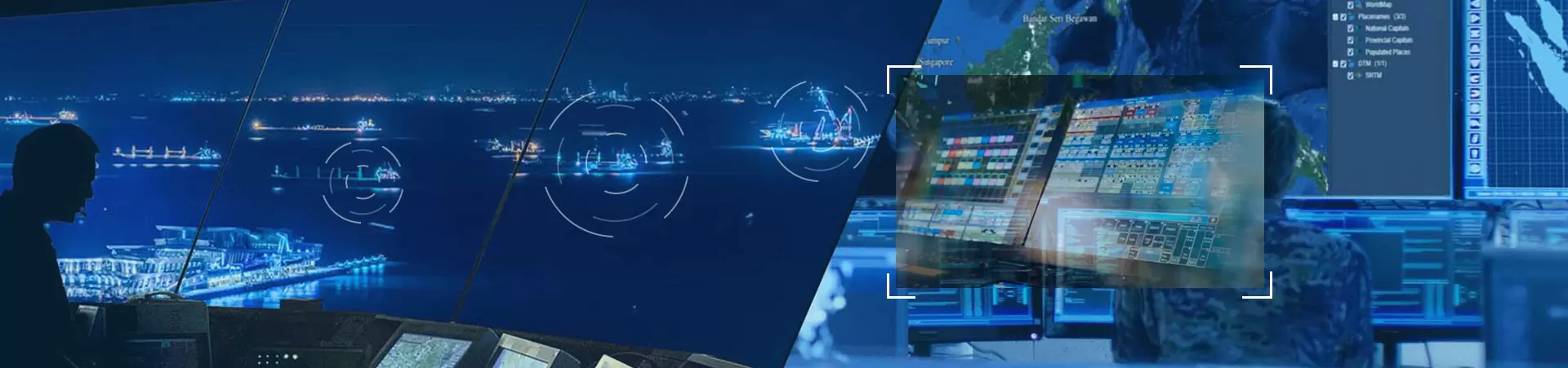
The core of an anti-drone system platform is a three-in-one integrated architecture of "detection and identification + jamming response + command and control." Depending on the application scenario (military/civilian), control radius, and budget, the following core equipment categories can be integrated:

I. Detection and Identification Equipment (Core Front-End Module)
This module detects, locates, and identifies target drones, serving as the first step in the system response. It must meet the requirements of "long-range detection, accurate identification, and low false alarm rate."
Radar Equipment

Types: Micro-Doppler radar, phased array radar, low-altitude surveillance radar, millimeter-wave radar
Core Functions: All-weather/all-time detection of low-altitude slow-moving small targets (LSS), outputting the azimuth, distance, and speed information of UAVs, with a coverage radius of 1–50km
Suitable Scenarios: Large-area airspace control (airports, borders, large venues)
Electro-optical Reconnaissance Equipment
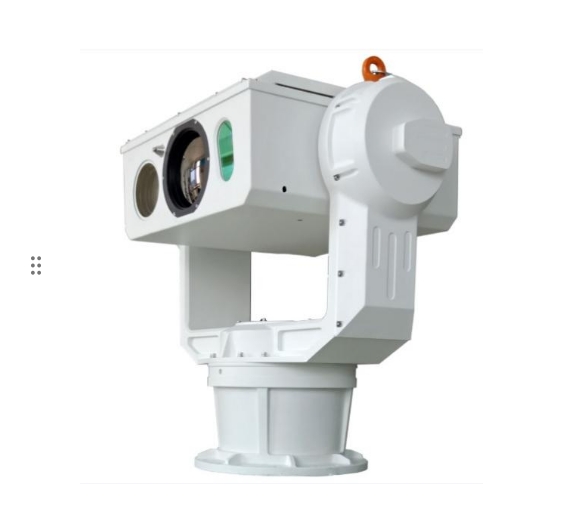
Types: Visible light gimbal camera, infrared thermal imager, laser rangefinder, multispectral imaging equipment
Core Functions: Optical identification and tracking of targets detected by radar, distinguishing UAV models and whether they carry payloads, while providing visual evidence images
Suitable Scenarios: Precise identification at medium and close range, supplementary detection at night/in complex weather
Radio Detection Equipment
Types: UAV RF detector, spectrum analyzer, direction-finding antenna array
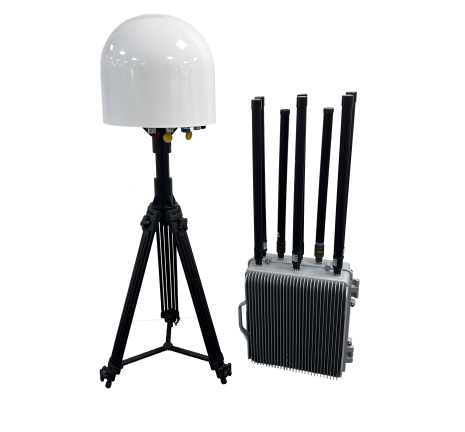
Core Functions: Capturing communication signals between the UAV and remote controller (2.4GHz/5.8GHz/900MHz frequency bands), achieving UAV/remote control through multi-station direction finding Two-way operator positioning
Suitable scenarios: Complex urban electromagnetic environments, scenarios requiring operator location positioning
Acoustic detection equipment
Type: Array microphone, acoustic sensor
Core function: Identifies targets through the characteristic noise of the drone propeller, unaffected by electromagnetic interference
Suitable scenarios: Electromagnetically shielded areas (classified venues), close-range auxiliary detection
II. Interference handling equipment (core countermeasure module)
Function: To block drone flight, force landing, or drive away. The choice between "soft kill" and "hard kill" solutions depends on control requirements; soft kill is preferred for civilian scenarios.
Radio Jamming Equipment
Types: Multi-band directional jamming guns/jamming antennas, omnidirectional jamming base stations, drone navigation deception devices
Core Functions:
Communication Link Jamming: Blocks the signal between the drone and its remote controller, causing it to lose connection and hover/return to home.
Navigation Signal Jamming: Suppresses GPS/BeiDou/GLONASS signals, or sends deception signals to guide the drone to a forced landing.
Suitable Scenarios: Civilian low-altitude airspace control (scenic spots, prisons, factories)
Laser Countermeasure Equipment
Types: Low-power glare-inducing lasers, high-power damaging lasers

Core Functions: Low-power lasers blind the drone's optoelectronic payload, high-power lasers burn out the drone's power system.
Suitable Scenarios: High-security areas (military bases, nuclear facilities), long-range hard-kill requirements
Netting/ Interception Equipment
Types: Drone countermeasure net guns, drone interception ("drone-to-drone"), ground-launched net projectiles
Core Function: Physically capture target drones to prevent collateral damage from crashes
Suitable Scenarios: Densely populated urban areas, low-altitude close-range interception
Electronic Decoy Equipment
Types: Drone hijacking devices, protocol cracking modules
Core Function: Simulate drone remote control signals, take over drone control, and guide it to a designated landing area
Suitable Scenarios: Scenarios requiring complete drone capture for evidence collection (counter-terrorism, criminal investigation)
III. Command, Control, and Auxiliary Equipment (System Central Hub and Supporting Modules)
Function: Integrates data from various modules, enables automated decision-making, and ensures stable system operation.
Command and Control (C2) Platform
Hardware: Industrial PC, Server, Display and Control Terminal, Touchscreen Console
Software: Data Fusion Algorithm, Situation Display Software, Task Planning Software, Alarm Linkage Software
Core Functions: Unified reception of detection equipment data, generation of comprehensive situation maps, automatic/manual issuance of countermeasure commands, and recording of the entire handling process log
Linkage Alarm Equipment
Types: Audible and visual alarms, SMS/APP alarm modules, video surveillance linkage systems, broadcast systems
Core Functions: Timely alarms sent to security personnel upon target detection, triggering surrounding surveillance cameras to turn towards the target area
Power Supply and Deployment Equipment
Types: Portable lithium battery packs, vehicle-mounted generators, solar power systems, modular/pan-tilt brackets, mobile trailers
Core Functions: Ensuring continuous power supply and rapid deployment of the system in fixed/mobile scenarios
Tell us your specific requirements and application scenarios, and we will provide customized solutions.