


في نظام القتال ثلاثي الأبعاد الحديث، يُعدّ الرادار، المعروف بـ"عين الحرب"، قادراً على اختراق الدخان وتجاوز قيود الليل والنهار لرصد أهداف العدو البعيدة بدقة دون الحاجة إلى نشره في الخطوط الأمامية. ورغم أنه لا يمتلك قوة نارية فتاكة مباشرة، إلا أنه يُحدد مسار المعارك. فمنذ ظهور قيمته القتالية الأولى في الحرب العالمية الثانية، ووصوله إلى ذروة قوته في عصر الحرب المعلوماتية، أصبح الرادار محوراً أساسياً في النظام العسكري الحديث، إذ يُدير عملية الهجوم والدفاع بأكملها، وتُحدد فعاليته بشكل مباشر النتيجة النهائية للحروب.

تكمن القيمة الأساسية للرادار في كسر "ضباب المعلومات" في الحروب، وبناء نظام استطلاع وإنذار مبكر شامل، وتوفير وقت استجابة قيّم للقوات المقاتلة. جوهر الحرب هو المواجهة المعلوماتية. قبل استخدام الرادار، كان استطلاع ساحة المعركة مقيدًا بشدة بظروف الليل والنهار والطقس، مما كان يُسهّل الوقوع في موقف دفاعي. من خلال مبدأ انعكاس الموجات الكهرومغناطيسية عالية التردد، يستطيع الرادار رصد مختلف الأهداف القتالية الجوية والبرية والبحرية من مسافات بعيدة في ظروف معقدة، محققًا وعيًا ظرفيًا شاملًا في جميع الأحوال الجوية والزمان والمكان.
في عمليات الدفاع الجوي، يُعدّ الرادار "خط الدفاع الأول" لحماية عمق الدفاع. في الحروب الحديثة، أصبحت الضربات الجوية أسلوب القتال الرئيسي، وقد ساهمت الطائرات المقاتلة الشبحية وصواريخ كروز في إخفاء التهديدات الجوية بشكل أكبر. بفضل مزاياه من حيث مدى الكشف البعيد، والاستجابة السريعة، والدقة العالية، يستطيع الرادار التقاط إشارات الأهداف الواردة مسبقًا وتوفير بيانات دقيقة لأنظمة الدفاع الجوي. خلال الحرب العالمية الثانية، اعتمدت بريطانيا على شبكة الرادار المحلية لتوجيه سلاح الجو في اعتراض القوات الألمانية، وأفشلت "خطة أسد البحر"، التي أصبحت مثالًا كلاسيكيًا على الدور الحاسم الذي يلعبه الرادار. في نظام الدفاع الجوي الحديث، يتكامل الرادار بشكل عميق مع أسلحة الدفاع الجوي ومعدات الحرب الإلكترونية لبناء حلقة مغلقة "للكشف، والتعرف، والتتبع، والاعتراض"، تدعم جميع مراحل القتال.
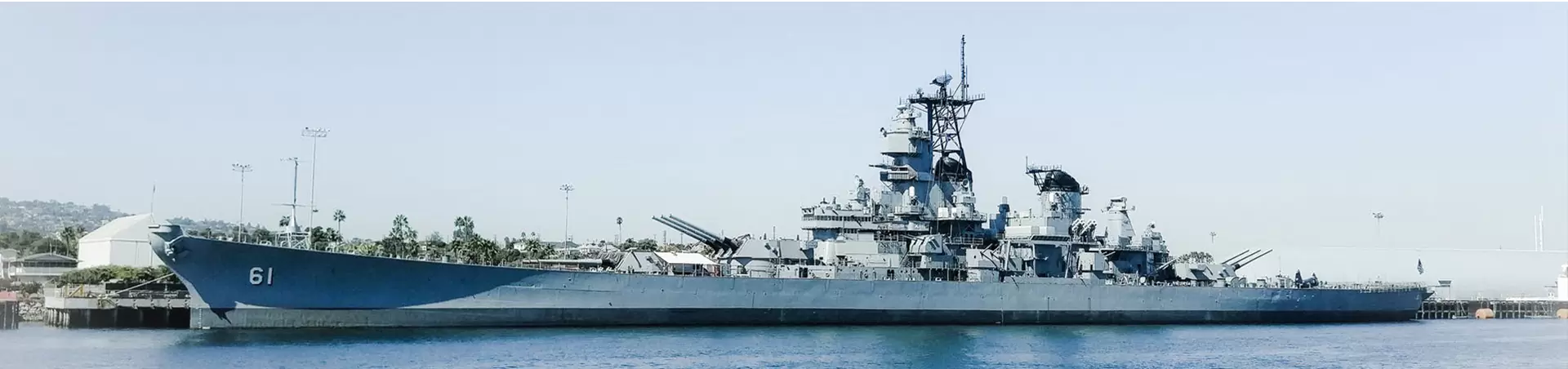
في العمليات البرية والبحرية، يُعدّ الرادار بمثابة "الجهاز العصبي المركزي" للقيادة القتالية واتخاذ القرارات. ففي ساحة المعركة البرية، يستطيع الرادار اختراق التضاريس، وكشف الأهداف المدرعة المخفية، وتوفير بيانات دقيقة لمعدات القوة النارية لتحقيق هدف "الكشف والتدمير". أما في ساحة المعركة البحرية، فيُعتبر الرادار البحري، باعتباره جهاز الكشف الأساسي للسفن الحربية، قادرًا على كشف سفن العدو الحربية والغواصات والأهداف الجوية من مسافات بعيدة، وتوجيه السفن الحربية لتجنب المخاطر العملياتية وإطلاق الأسلحة للهجمات المضادة. ففي معركة ميدواي، وجّه الرادار البحري الأمريكي الطائرات المحمولة على حاملات الطائرات لإلحاق أضرار جسيمة بحاملات الطائرات اليابانية، مما قلب موازين الحرب في المحيط الهادئ. إضافةً إلى ذلك، يُمكن للرادار توفير خدمات ملاحة دقيقة للقوات في البيئات المعقدة لتجنب المخاطر العملياتية.
في عصر الحرب الإلكترونية، يُعدّ الرادار جوهر المواجهة الإلكترونية، ويُحدّد بشكل مباشر السيطرة المعلوماتية في ساحة المعركة. في الحرب الإلكترونية، يُهاجم العدو الرادار عبر التشويش الإلكتروني والصواريخ المضادة للإشعاع، بينما نضمن استقرار نظام الرادار من خلال تقنيات مقاومة التشويش ونشر شبكات الرادار. تُعرف الصواريخ المضادة للإشعاع بـ"قاتلة الرادار"، ويمكن للرادار تجنّب الهجمات من خلال مرونة التردد وتعديل الحزمة؛ كما تُسهم شبكات الرادار في سدّ الثغرات، وتحسين قدرات مقاومة التشويش، وضمان وعي دقيق ومستمر بالوضع المحيط.
مع تطور التكنولوجيا العسكرية، استمر أداء الرادار في التحسن، وتنوع دوره العملياتي بشكل متزايد. فمن الرادار الميكانيكي التقليدي الماسح إلى الرادار الحديث ذي المصفوفة الطورية والفتحة التركيبية، ومن كشف هدف واحد إلى تتبع أهداف متعددة ورسم خرائط التضاريس، شهدت وظائفه تحسينات مستمرة. وتُعدّ المعدات المتخصصة، مثل الرادار الخفي والرادار ثلاثي الإحداثيات، مناسبة لمختلف سيناريوهات القتال. وفي المستقبل، سيُسهم التكامل العميق للرادار مع الذكاء الاصطناعي والتقنيات الأخرى في تحقيق وعي ظرفي أكثر ذكاءً وتوجيه نيران أكثر دقة، مما يجعله من المعدات العسكرية الأساسية التي لا غنى عنها في حروب المستقبل.
بالنظر إلى تاريخ الحروب، لم يغير الرادار أساليب الحرب التقليدية فحسب، بل أعاد تشكيل البنية العامة للنظام العسكري الحديث. فهو يحمي أمن القوات، ويكشف تحركات العدو، ويدعم اتخاذ القرارات والعمليات. في الحروب الحديثة، بدون أنظمة الرادار، تصبح أي أسلحة ومعدات متطورة "أسلحة عمياء". يعكس مستوى تطور الرادار بشكل مباشر القوة العسكرية والتكنولوجية للدولة، وسيستمر دوره الاستراتيجي في إظهار قيمته الجوهرية التي لا غنى عنها مع تطور أساليب الحرب.